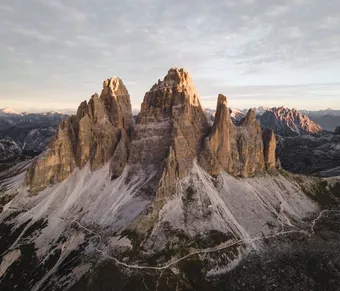
Sexten Dolomites: a paradise for hikers and climbers in summer and winter
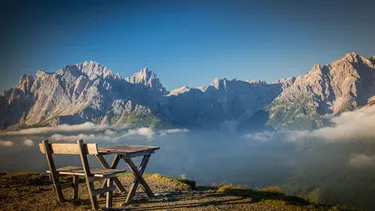
Discover the magic of the Sexten Dolomites
If you imagine the Dolomites as a living postcard, the Sexten Dolomites (Dolomiti di Sesto) are one of its brightest corners. Here, sheer rock walls rise above soft meadows, larch forests frame turquoise streams, and every hike feels like a quiet conversation with the mountains.
This small corner of South Tyrol is a true paradise for hikers and climbers, where you can walk, climb, or ski with a constant backdrop of dramatic peaks. The rhythm here is slower: you wake up in the Sexten valley, breathe in the cool air, and let your day unfold along well-marked hiking trails, cozy mountain huts, and panoramic viewpoints that stay with you long after you return home.
If you’ve been wondering, “Is Sexten, Italy worth visiting?” — the answer is a clear yes, especially if you love nature, space, and quiet beauty in the Dolomite mountains.
A UNESCO World Heritage
The Sexten Dolomites are part of the Dolomites UNESCO World Heritagearea, recognized for their extraordinary geology, unique rock formations, and the way light paints the mountain range at sunrise and sunset. Within the Tre Cime Nature Park (Parco Naturale Tre Cime), steep towers, gentle valley floors, and wild ridges come together in one compact, protected natural park.
This protection helps preserve not only the landscape, but also the traditions of the local South Tyrolean culture you’ll meet in the villages, rifugios, and farms. A trip here is not only about the views, but about the feeling of moving slowly through a place that is deeply loved and carefully protected.
Where are the Sexten Dolomites?
If you’re asking, “Where is Sexten Dolomites?”, picture the north-eastern corner of the Italian Alps, close to the border with Austria. Sesto (Sexten) sits at the end of the Sesto Valley / Sexten Valley, which branches off from the Val Pusteria (Puster Valley).
From here, you can easily reach:
- Val Fiscalina (Fiscalina valley) – one of the most beautiful valleys in the Dolomites
- Val Campo di Dentro – quieter and more secluded, perfect for experienced hikers
- Nearby landmarks like Lake Misurina, Landro, Comelico, and Auronzo di Cadore
In everyday life, people in Sesto speak both German and Italian (and often English too), reflecting the bilingual nature of South Tyrol.
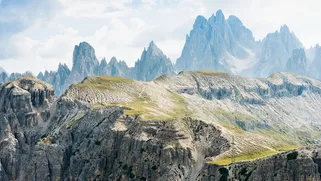
The iconic peaks: Three Peaks and beyond
Three Peaks of Lavaredo: the star of the Dolomites
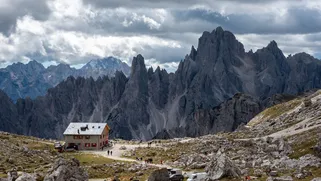
The Tre Cime di Lavaredo – also known as Drei Zinnen or simply the Three Peaks – are among the most recognizable peaks in the entire Dolomite mountains. These vertical towers rise above the Tre Cime Nature Park, dominating the skyline and attracting hikers and climbers from all over the world.
The classic loop hike around the Tre Cime starts at Rifugio Auronzo, reached via a toll road from Misurina or Auronzo di Cadore. From there, a relatively gentle slope leads you past Rifugio Lavaredo and Rifugio Locatelli, with unforgettable views of the north faces of the Zinnen. Along the way, you can also reach historic outposts such as Torre di Toblin and enjoy the dramatic panorama towards Pian di Cengia.
Croda Rossa, Cima Undici and Punta dei Tre Scarperi
Beyond the Three Peaks, the Sexten group is full of character:
- Croda Rossa (Rotwand) is famous for its reddish rock and family-friendly hiking and ski areas.
- Cima Undici and Dreischusterspitze shape the skyline above Val Campo di Dentro, offering more demanding ascents for experienced hikers.
- Punta dei Tre Scarperi and the wider Tre Scarperi area feel wild and remote, with fewer crowds and a more intimate connection to the landscape.
- Near Sesto, Rocca dei Baranci and Monte Elmo (Helm) offer softer hiking trails and magnificent views over the entire Sesto valley.
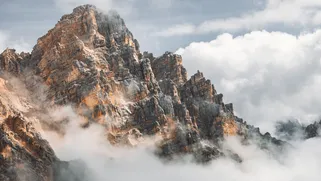
Here, every cima (peak) feels like a character in a story: each one has its own shape, light, and mood, depending on the season.
Hiking trails for every level
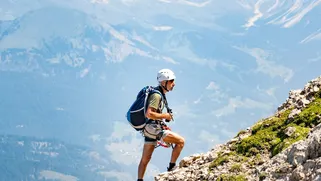
One of the reasons the Sexten Dolomites are so loved is the variety of hiking trails: from easy valley walks to demanding high-altitude traverses.
The Sexten Sundial trail
Perhaps the most unique feature of the Sexten Dolomites is the famous Sexten Sundial (or Sesto sundial). A line of peaks – Cima Nove, Cima Dieci, Cima Undici, Cima Dodici, and more – forms a natural sundial above the village. In winter, the position of the sun above each monte marks the hours of the day.
You can experience this phenomenon on dedicated hiking trails that start right from Sesto. Walking under this great stone clock, with the shadows slowly shifting on the mountain range, is a reminder of how deeply time and nature are connected here.
Alta Via 4 and Val Campo di Dentro
For those looking for a multi-day hike, the Alta Via 4 offers a spectacular passage through the Sextenermountains. This long-distance route connects rifugios and mountain huts, crossing high passes and ridges with continuous panoramicviews.
A quieter corner of the area is Val Campo di Dentro. Here, trails climb towards Dreischusterspitze and other peaks, passing through forests and meadows where you can still feel a strong sense of wilderness. This is a wonderful option for those who already have some experience in the Alps and want to step beyond the most popular routes.
Mountain huts and accommodation in Sesto
Rifugios and panoramic overnight stays
Spending at least one night in a rifugio is the heart of a Dolomites experience. Around the Sexten Dolomites and the Tre Cime Nature Park, you’ll find traditional mountain huts that welcome you with warm food, wooden interiors, and early-morning silence.
Waking up here, watching the first light touch the peaks, is a highlight many guests remember for years. These accommodations are dormitories, very simple but full of atmosphere – perfect if you want to feel truly part of the mountains.
Where to stay in the town of Sesto
Down in the village, Sesto Dolomites offer a wide range of accommodations: charming hotels, apartments, and B&Bs in typical South Tyrolean style. Many are very close to the ski lifts and trailheads, making it easy to move from your breakfast table straight onto the hiking trails or the ski resort slopes.
If you’re wondering “What is the prettiest town in the Dolomites?”, Sesto is certainly a strong contender – not for flashy glamour, but for its peaceful setting, authentic character, and the way the group of Sexten rises directly above the village.
From summer hikes to winter ski adventures
The beauty of the Sexten Dolomites is that they are both attractive in summer and winter. In the warmer months, Val Fiscalina, Val Campo di Dentro, and the high plateaus invite you to hike for hours, stopping at rifugios for lunch and taking time to relax. In winter, the same landscape turns into a white playground for winter activities.
Skiing in the Dolomites of Sesto
On the snow side, Sesto is part of the Dolomites Ski and the Dolomiti Superski area. The local ski resort includes:
- Monte Elmo (Helm) – long, enjoyable slopes with wide views
- Croda Rossa – family-friendly runs and winter attractions
- Monte Croce – linking the Sesto valley with nearby Comelico
You’ll find well-prepared slopes for all levels, plus cross-country ski tracks in Val Fiscalina and around Landro. For many guests, this mix of high-quality ski infrastructure and dramatic scenery is what makes skiing in the Dolomites of Sesto so special.
Winter hiking and snowshoeing trails
Not everyone wants to ski all day – and that’s perfectly fine here. Winter hiking and snowshoeing are excellent ways to explore the quiet side of the Sexten Dolomites.
Gentle tracks lead into Val Fiscalina, where snowy trees and frozen streams create a calming atmosphere. You can walk to a cozy rifugio, enjoy a hot meal, and then stroll back with the late-afternoon light on the peaks. These slower winter activities are ideal if you’re looking for silence, space, and time to simply be outdoors.
Practical info for your Sexten Dolomites adventure
How to get to Sexten Dolomites
Reaching the Sesto Dolomites is easier than it looks on the map. The nearest airports are Venice, Treviso, Verona, and Innsbruck, from where you can travel by train to the Val Pusteria (Puster Valley) and then by bus or car into the Sexten valley.
Once you arrive, an efficient network of buses and cable cars helps you move between Sesto, Lake Misurina, Landro, and the trailheads around Tre Cime di Lavaredo, Croda Rossa, and Monte Elmo.
When to go: best seasons and conditions
- June to October are ideal for hiking trails and high-altitude rifugios.
- December to March is the main season for skiing and snow-based winter activities.
Spring and late autumn can be beautiful too, but conditions are more changeable, especially for higher ascents in the Alps.
Frequently asked questions about Sexten Dolomites
Is Sexten, Italy, worth visiting?
Yes. If you love quiet mountain landscapes, well-maintained hiking trails, excellent ski areas, and authentic South Tyrolean villages, the Sexten Dolomites are absolutely worth visiting – in both summer and winter.
Where is Sexten Dolomites?
The Sexten Dolomites are in South Tyrol, north-eastern Italy, close to the Austrian border. The main village, Sesto (Sexten), lies at the end of the Sesto valley, connected to Val Pusteria.
What language do they speak in Sexten, Italy?
Most locals speak German as their first language, along with Italian. In hotels, restaurants, and many rifugios, you’ll also often find people who speak English, especially in tourist seasons.
What is the prettiest town in the Dolomites?
There is no single “prettiest” town, but Sesto is loved for its peaceful atmosphere, the dramatic skyline of the group of the Sexten, and easy access to the Tre Cime di Lavaredo, Val Fiscalina, and local ski resort areas.
Breathe the Dolomites: an experience to remember
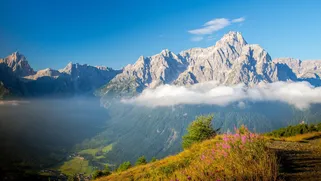
A journey into the Sexten Dolomites is more than a tick on a travel list. It’s waking up in a quiet alpine village, hearing both German and Italian in the café, feeling the crunch of the trail under your boots, and watching the last light touch the Tre Cime di Lavaredo.
This is a place where hikers and climbers of many levels find their own rhythm, whether on the famous Three Peaks, among the wild ridges of Tre Scarperi, or on a gentle walk in Val Fiscalina.
If you’d like support in turning this dream into a concrete, relaxed itinerary – with accommodation, rifugios, transfers, and activities carefully arranged – local experts who live in the Dolomites can help you shape your own unforgettable story in the Sexten Dolomites.